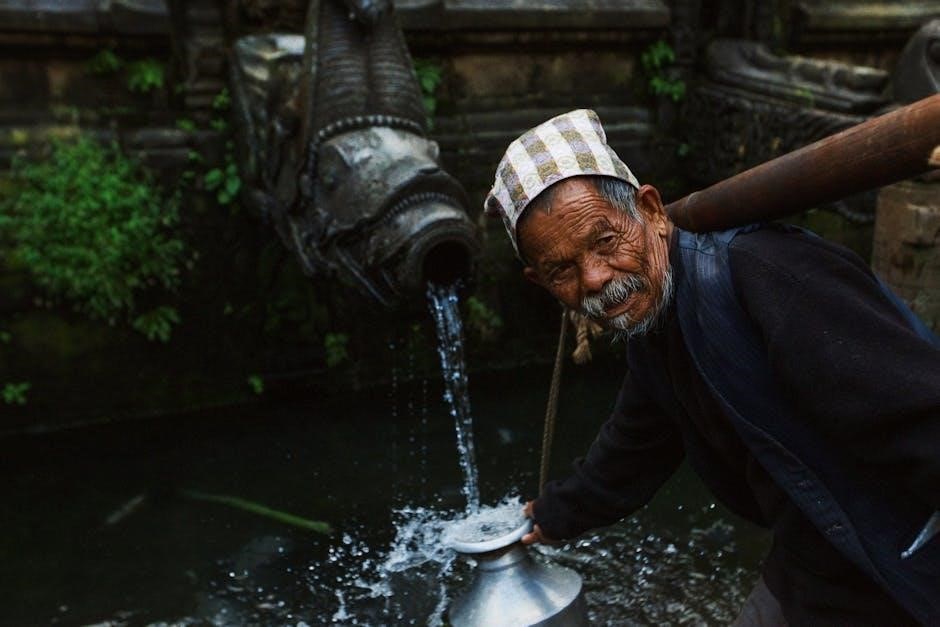
Cultural anthropology explores diverse human societies, examining beliefs, behaviors, and traditions—a crucial lens for understanding our interconnected, global age, as detailed in relevant readers.
The Scope of Cultural Anthropology
Cultural anthropology’s expansive scope encompasses the study of all aspects of human life across the globe, from kinship systems and political structures to artistic expression and religious beliefs. It investigates how cultures are shaped by historical contexts, globalization, and power dynamics.
A “global reader” in this field provides diverse ethnographic insights, examining cultural variations and commonalities. It analyzes language, values, and social habits, revealing how societies adapt and interact, offering a holistic understanding of the human experience.
Defining Culture: Core Concepts
Culture, central to anthropological study, encompasses shared beliefs, language, traditions, and practices learned through enculturation and socialization. It’s not merely artistic expression, but a total way of life—including morals, goals, and societal norms.
A “global reader” highlights culture’s dynamic nature, showcasing its regional origins and adaptations. Core concepts include cultural relativism, understanding practices within their context, and recognizing the human capacity for symbolic thought.
The Historical Development of Cultural Anthropology
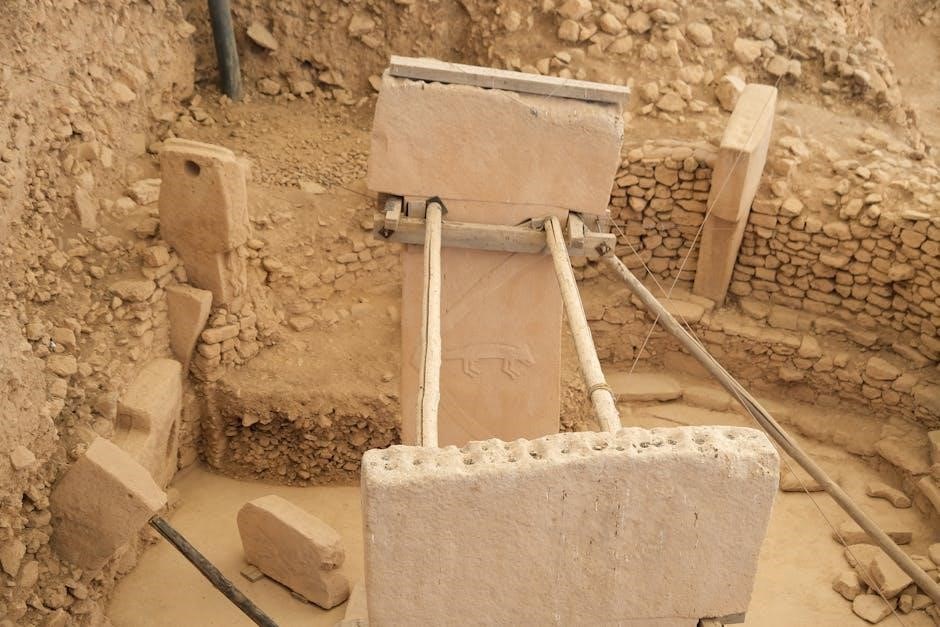
Early anthropology evolved alongside colonialism, shifting from initial observations to more systematic studies of diverse societies and their complex cultural systems.
Early Ethnographic Studies & Colonial Context
Initial ethnographic work was deeply intertwined with European colonial expansion, often serving colonial administrations through documenting and categorizing colonized populations. Early anthropologists, like those studying Mozambique’s Maputo (formerly Lourenço Marques), frequently operated within a framework shaped by colonial power dynamics.
These studies, while foundational, were often biased, reflecting ethnocentric perspectives and contributing to the justification of colonial rule. However, they also laid the groundwork for later, more critical anthropological approaches.
The Rise of Functionalism and Structuralism
Functionalism, emerging in the early 20th century, viewed cultures as integrated systems striving for equilibrium, analyzing how different elements contribute to societal stability. Simultaneously, Structuralism, pioneered by Lévi-Strauss, sought universal underlying structures in human thought and culture, examining binary oppositions.
These approaches, while differing, moved beyond simple descriptive ethnography, aiming for broader theoretical understanding of cultural organization and human cognition.
Key Theoretical Approaches in Cultural Anthropology
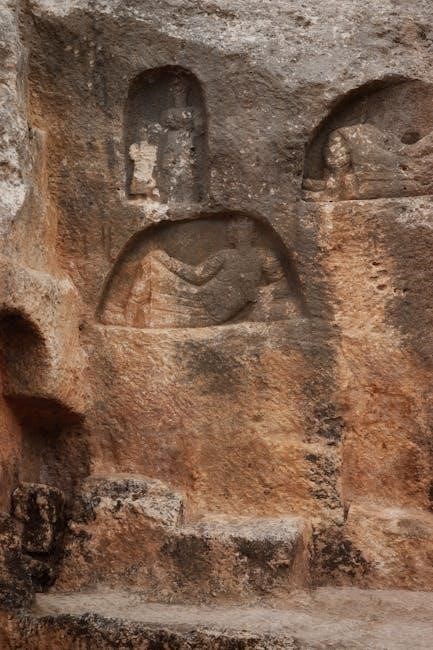
Anthropological theory encompasses diverse perspectives—from relativism to interpretive approaches—that shape how we analyze and understand the complexities of human cultures globally.
Cultural Relativism vs. Ethnocentrism
Cultural relativism emphasizes understanding cultures on their own terms, rejecting judgment based on one’s own cultural standards. Conversely, ethnocentrism involves evaluating other cultures through the lens of one’s own, often leading to misinterpretations and biases.
Anthropologists strive for relativism to avoid imposing values, recognizing that beliefs and practices are contextually meaningful. However, complete relativism presents ethical challenges, necessitating a balanced approach acknowledging universal human rights while respecting cultural diversity.
Interpretive Anthropology & Symbolic Systems
Interpretive anthropology, pioneered by Clifford Geertz, focuses on understanding culture as a system of shared meanings expressed through symbols. It emphasizes “thick description”—detailed contextual analysis—to decipher the significance of cultural practices and beliefs.
Symbols aren’t merely representations; they constitute social reality. Analyzing rituals, art, and language reveals underlying worldviews and how individuals navigate their social environments, offering deep cultural insights.

Methods in Cultural Anthropology
Cultural anthropologists employ diverse methods—participant observation, interviews, and surveys—to gather holistic data, analyzing cultural patterns and perspectives within specific communities.
Participant Observation & Ethnography
Participant observation, a cornerstone of ethnographic research, involves immersive fieldwork where anthropologists live amongst the studied community, experiencing daily life firsthand. This method facilitates deep cultural understanding through prolonged engagement, detailed note-taking, and reflexive analysis. Ethnographies, the resulting written accounts, present holistic portraits of cultures, emphasizing context and interpretation.
Qualitative and Quantitative Research Methods
Cultural anthropology employs diverse research approaches. Qualitative methods, like interviews and focus groups, explore nuanced meanings and perspectives. Quantitative methods, utilizing statistical analysis of numerical data, identify patterns and correlations. Increasingly, mixed-methods designs integrate both, offering comprehensive insights into complex cultural phenomena, enriching ethnographic understanding and analytical rigor.
Globalization and Cultural Change
Globalization profoundly impacts local cultures, fostering cultural hybridity and syncretism—the blending of traditions—as explored within anthropological studies of a connected world.
The Impact of Globalization on Local Cultures
Globalization introduces complex changes, often challenging established cultural norms through interconnectedness. This process isn’t simply homogenization; instead, it frequently results in cultural hybridity, where global influences merge with local traditions. Anthropological research reveals that communities actively negotiate these changes, adapting and reinterpreting global flows to fit their specific contexts.
This dynamic interplay shapes identity, social structures, and economic practices, demanding nuanced understanding beyond simple narratives of cultural loss or dominance.
Cultural Hybridity and Syncretism
Cultural hybridity describes the blending of different cultural elements, creating new forms—a common outcome of globalization. Syncretism, a related process, involves the merging of religious beliefs and practices; These aren’t simply additive; rather, they represent creative adaptations and negotiations of meaning.
Anthropological studies demonstrate how communities actively reshape global influences, forging unique cultural expressions that reflect both local traditions and external forces.
Culture, Identity, and Social Organization
Culture profoundly shapes individual and collective identity, structuring social life through kinship, gender roles, and societal norms—key areas of anthropological inquiry.
Kinship Systems and Social Structures
Kinship, a cornerstone of social organization, defines relationships through descent, marriage, and affiliation, varying dramatically across cultures. These systems dictate inheritance, residence patterns, and social obligations. Social structures, encompassing hierarchies and power dynamics, are deeply intertwined with kinship, shaping access to resources and opportunities. Anthropological study reveals how these structures influence individual roles and collective behaviors, demonstrating the diverse ways societies organize themselves and maintain social cohesion, offering insights into human adaptability and cultural variation.
Gender, Sexuality, and Cultural Construction
Gender and sexuality are not biological imperatives but are culturally constructed categories, varying significantly across societies. Anthropological research demonstrates that concepts of masculinity and femininity, along with expressions of sexual identity, are shaped by social norms and historical contexts. Examining these constructions reveals power dynamics, social control, and the fluidity of identity, challenging universalizing assumptions and highlighting the diversity of human experience within a globalized world.
Language and Culture
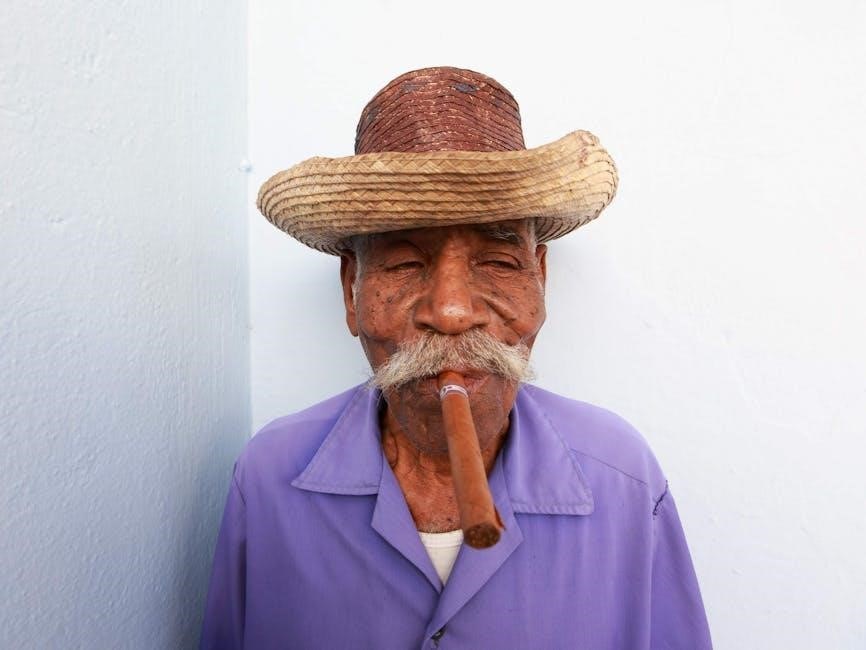
Language profoundly shapes thought and cultural values, reflecting a society’s worldview; it’s a key element in understanding cultural diversity and human cognition.
The Sapir-Whorf Hypothesis
The Sapir-Whorf hypothesis, also known as linguistic relativity, proposes that the structure of a language influences its speakers’ worldview and cognition. Strong determinism suggests language determines thought, while weaker versions argue language influences it. This concept explores how different languages categorize reality, impacting cultural perceptions and understanding. Examining linguistic structures reveals underlying cultural values and shapes how individuals perceive and interact with the world around them, offering insights into diverse cognitive processes.
Language as a Reflection of Cultural Values
Language embodies cultural values, acting as a repository of shared beliefs and societal norms. Vocabulary, grammar, and linguistic styles reflect a culture’s priorities and worldview. For example, languages with extensive kinship terms highlight familial importance. Metaphors and idioms reveal underlying cultural assumptions. Studying language provides anthropologists with crucial insights into a culture’s history, social structures, and deeply held values, demonstrating its integral role in shaping collective identity.

Religion and Ritual
Religion and ritual are central to understanding cultural systems, providing frameworks for meaning, morality, and social cohesion within diverse communities globally.
The Anthropology of Religion
Anthropological study of religion moves beyond theological concerns, focusing instead on belief systems’ social and cultural contexts. It examines how religions shape worldviews, moral codes, and social structures across diverse societies.
Researchers analyze rituals, myths, and symbols, interpreting their functions in maintaining social order, negotiating power dynamics, and providing meaning. This approach acknowledges the varied expressions of faith globally, avoiding ethnocentric judgments and promoting cross-cultural understanding.
Rituals, Beliefs, and Social Cohesion
Rituals are structured sequences of actions imbued with symbolic meaning, reinforcing shared beliefs and values within communities. They foster social cohesion by creating collective experiences and strengthening group identity. Belief systems, encompassing myths and cosmologies, provide frameworks for understanding the world and one’s place within it. These elements contribute to a sense of belonging and shared purpose, vital for societal stability.

Political Anthropology
Political anthropology examines power dynamics, authority structures, and social control mechanisms across cultures, revealing how societies organize and govern themselves globally.
Power, Authority, and Social Control
This subfield investigates how power is distributed and exercised within societies, analyzing various forms of authority – traditional, charismatic, and legal-rational. Cultural anthropologists explore mechanisms of social control, including norms, laws, and rituals, examining how these maintain order and address conflict.
Furthermore, studies reveal how these systems are culturally constructed and vary significantly across different groups, impacting individual agency and collective action on a global scale.
The Anthropology of the State
This area critically examines the state not as a neutral entity, but as a culturally constructed form of political organization. Anthropological inquiry investigates how states emerge, maintain legitimacy, and interact with their citizens, focusing on the everyday experiences of governance.
It analyzes state power, bureaucracy, and citizenship, revealing how these are shaped by local contexts and global forces, impacting diverse communities worldwide.
Economic Anthropology
Economic anthropology studies systems of exchange and reciprocity, revealing how cultural values shape economic practices and resource allocation within diverse societies globally.
Systems of Exchange and Reciprocity
Economic anthropology deeply investigates how goods and services are exchanged, moving beyond simple market transactions to encompass reciprocity – a non-market exchange driven by social obligations. These systems, varying across cultures, include generalized reciprocity (gifts with no expectation of immediate return), balanced reciprocity (direct exchange of equivalents), and negative reciprocity (attempts to gain advantage). Understanding these diverse systems reveals how economies are embedded within broader social relationships, kinship networks, and cultural values, shaping distribution and access to resources globally.
The Cultural Ecology of Economic Practices
Cultural ecology examines the intricate relationships between a society’s cultural beliefs and practices, and its environment, profoundly impacting economic strategies. How people perceive and interact with their surroundings shapes resource management, production techniques, and consumption patterns. This perspective reveals that economic practices aren’t solely rational choices, but are deeply embedded within specific ecological and cultural contexts, influencing sustainability and adaptation to environmental changes globally.
Applied Anthropology
Applied anthropology utilizes anthropological knowledge to address practical problems, fostering positive social change and collaborating with communities on real-world issues globally.
Anthropology and Development
Anthropology and development critically examines aid projects, recognizing cultural contexts are vital for success. It moves beyond top-down approaches, prioritizing local knowledge and participation.
Anthropologists analyze power dynamics, unintended consequences, and ensure sustainable, equitable outcomes. This field emphasizes culturally sensitive solutions, fostering self-determination and empowering communities to shape their own futures, avoiding harmful interventions.
Cultural Resource Management
Cultural Resource Management (CRM) applies anthropological expertise to preserve archaeological sites, historical landmarks, and intangible heritage. It navigates legal frameworks, assessing impacts of development projects on cultural resources. CRM collaborates with stakeholders—communities, governments, developers—to mitigate damage and promote responsible stewardship. This ensures cultural preservation balances economic growth, respecting ancestral lands and traditions for future generations.
Case Study: Maputo, Mozambique – A Cultural Landscape
Maputo, formerly Lourenço Marques, exemplifies a dynamic urban center, showcasing Mozambique’s rich history, diverse communities, and evolving cultural practices within a global context.
Historical and Cultural Overview of Maputo
Maputo’s history, initially as Lourenço Marques, reflects Portuguese colonial influence, shaping its urban layout and societal structures. Post-independence, the city became a crucible of Mozambican identity, blending indigenous traditions with modern influences.
Detailed maps highlight key locations like the General Hospital and Chamanculo Lake, while neighborhoods like Malanga and Mafalala embody the city’s diverse cultural tapestry. This vibrant mix is reflected in its music, cuisine, and social habits, creating a unique cultural landscape.
Urban Culture and Social Dynamics in Maputo
Maputo’s urban culture is a dynamic interplay of tradition and modernity, evident in its bustling markets and evolving social structures. The city showcases shared beliefs, languages, and habits passed down through generations, shaping daily life and connections.
Social dynamics are influenced by historical factors and ongoing globalization, creating a complex urban environment. Examining these interactions provides insight into how Maputo residents navigate identity and community in a rapidly changing world.

Future Directions in Cultural Anthropology
Digital anthropology and addressing contemporary global challenges are key focuses, requiring innovative methods to study evolving cultures and interconnected societies effectively.
Digital Anthropology and the Internet
The rise of the internet presents novel avenues for anthropological inquiry, demanding new methodologies to study online communities, virtual worlds, and digital interactions. Researchers now explore how culture is constructed, negotiated, and expressed through digital platforms.
This includes examining online identity formation, the spread of information, and the impact of social media on social structures, requiring a re-evaluation of traditional ethnographic techniques in a digital landscape.
Addressing Contemporary Global Challenges
Cultural anthropology offers critical perspectives on pressing global issues like climate change, migration, inequality, and conflict. By understanding diverse cultural responses and local knowledge systems, anthropologists contribute to more effective and equitable solutions.
This involves collaborative research, advocacy, and applying anthropological insights to policy-making, fostering culturally sensitive approaches to complex challenges facing humanity today.